
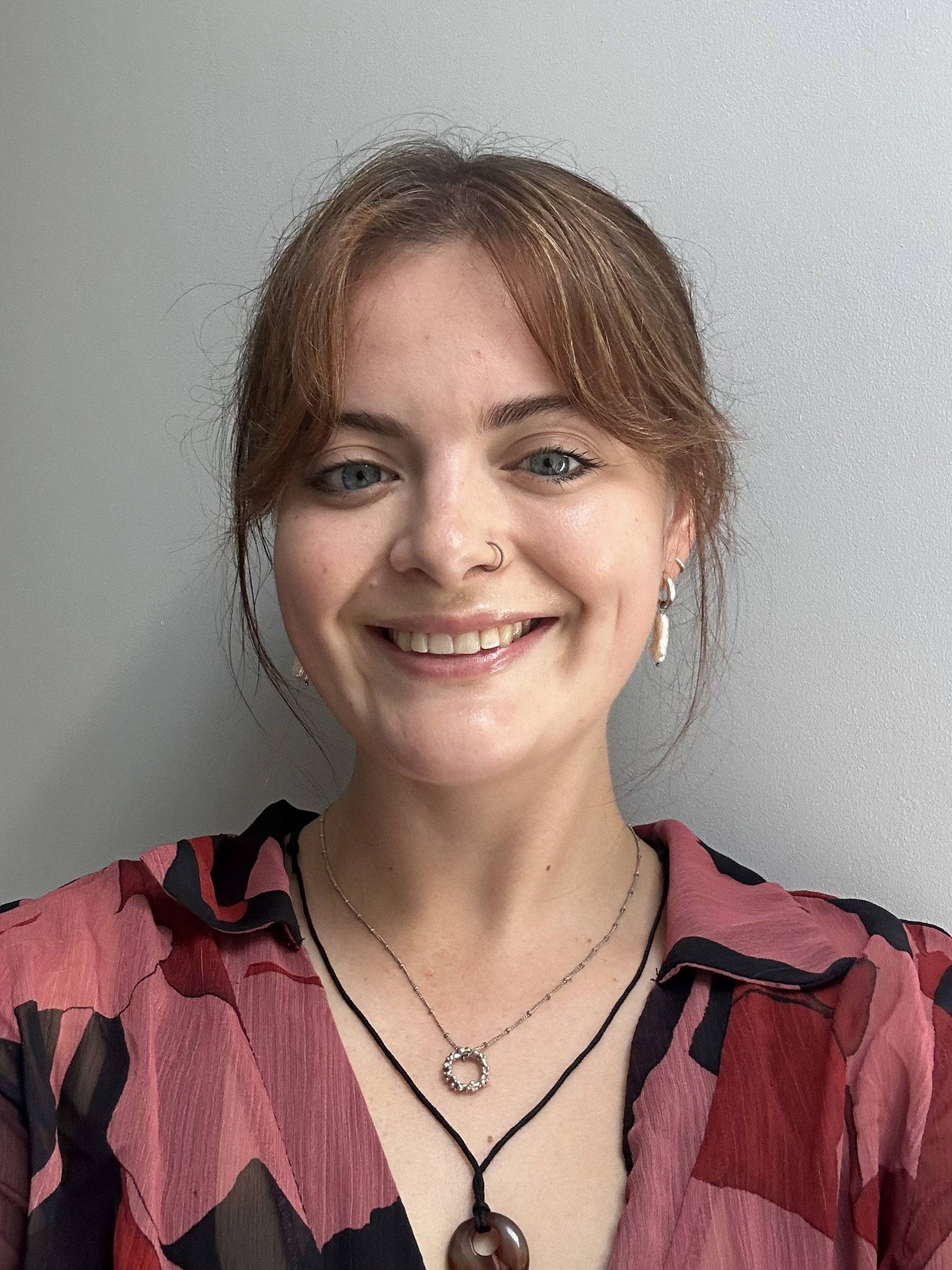
 Educafe’s impact intern, Daisy Stratton, is 24 years old and from Newbury. Daisy is currently a MSc Public Health (Global Health) student at King’s College London, and also has a BSc Neuroscience degree from Sussex University where she graduated in 2024.
In this blog, Daisy reflects on her time with us and shares her key learnings.
What brought me to Educafe?
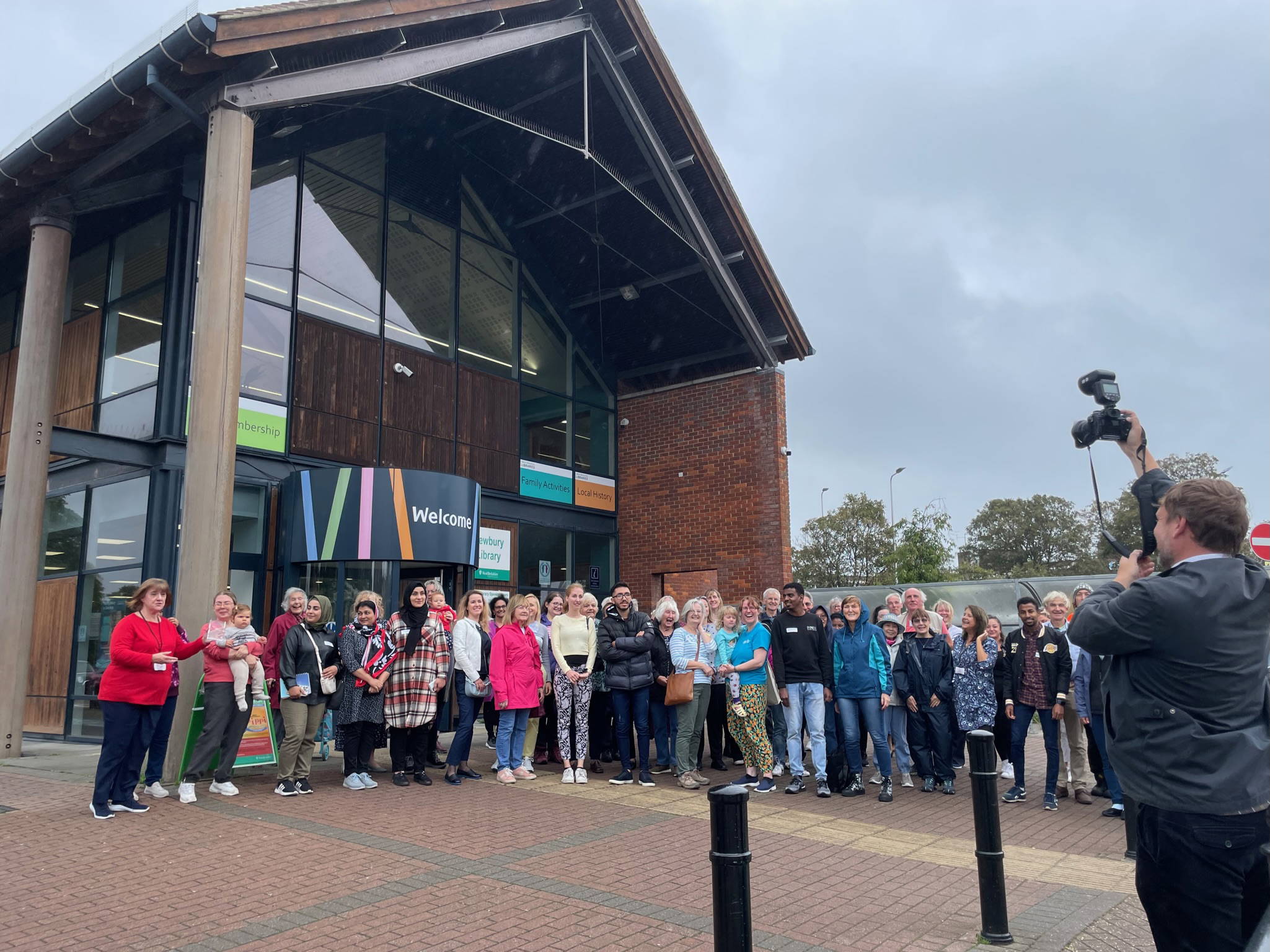
I first came across Educafe through a conversation with Janine at the pub where I work, which happened to be hosting an Educafe volunteer celebration event. Curious to learn more, I spoke with Janine about the organisation’s work and shared that I am currently studying an MSc in Public Health (Global Health). From there, I was invited to visit and explore whether I would be interested in getting involved.
My interest in Educafe was strongly linked to my academic studies, particularly around the wider determinants of health. Factors such as isolation, loneliness, and limited accessibility are often overlooked, yet they have a significant impact on health and wellbeing. What stood out to me about Educafe was its approach to addressing these challenges through strengthening community connection.
As someone born and raised in Newbury, the opportunity to contribute to a local organisation that directly supports my community was especially meaningful. At the same time, the role offered a valuable opportunity to apply my Master’s learning in a practical, real-world setting.
Developing independence with support
Initially, the self-led nature of the role felt challenging, as I was more accustomed to structured academic environments. However, having the opportunity to manage my own workload, prioritise tasks, and develop ideas has significantly built my confidence and independence.
At the same time, I have consistently felt supported. Regular check-ins and access to mentorship have created a balance where I can work autonomously while still receiving guidance and feedback when needed. This combination has been instrumental in my professional development.
What I’ve been involved in
One of my first projects involved supporting the collection of responses for a community survey. This began with encouraging participation and later developed into providing additional support for individuals with lower levels of English literacy at Chatty Corner sessions.
Through this experience, I noticed that some participants struggled with the survey’s language. Working with colleagues, we simplified and clarified the wording to improve accessibility. This gave me valuable hands-on insight into survey design and emphasised the importance of inclusive language in ensuring meaningful data collection.
I later joined the impact team, where I am now involved in analysing survey findings and contributing to case studies based on both quantitative and qualitative feedback from Educafe visitors. This has helped me understand how impact is captured, interpreted, and communicated.
Beyond this, I had the opportunity to represent Educafe at the Get Berkshire Active event in Reading. This provided valuable exposure to sector-wide conversations around embedding physical activity into everyday life through a whole-system approach. Key themes included prevention, equity, partnership working, and community-led solutions.
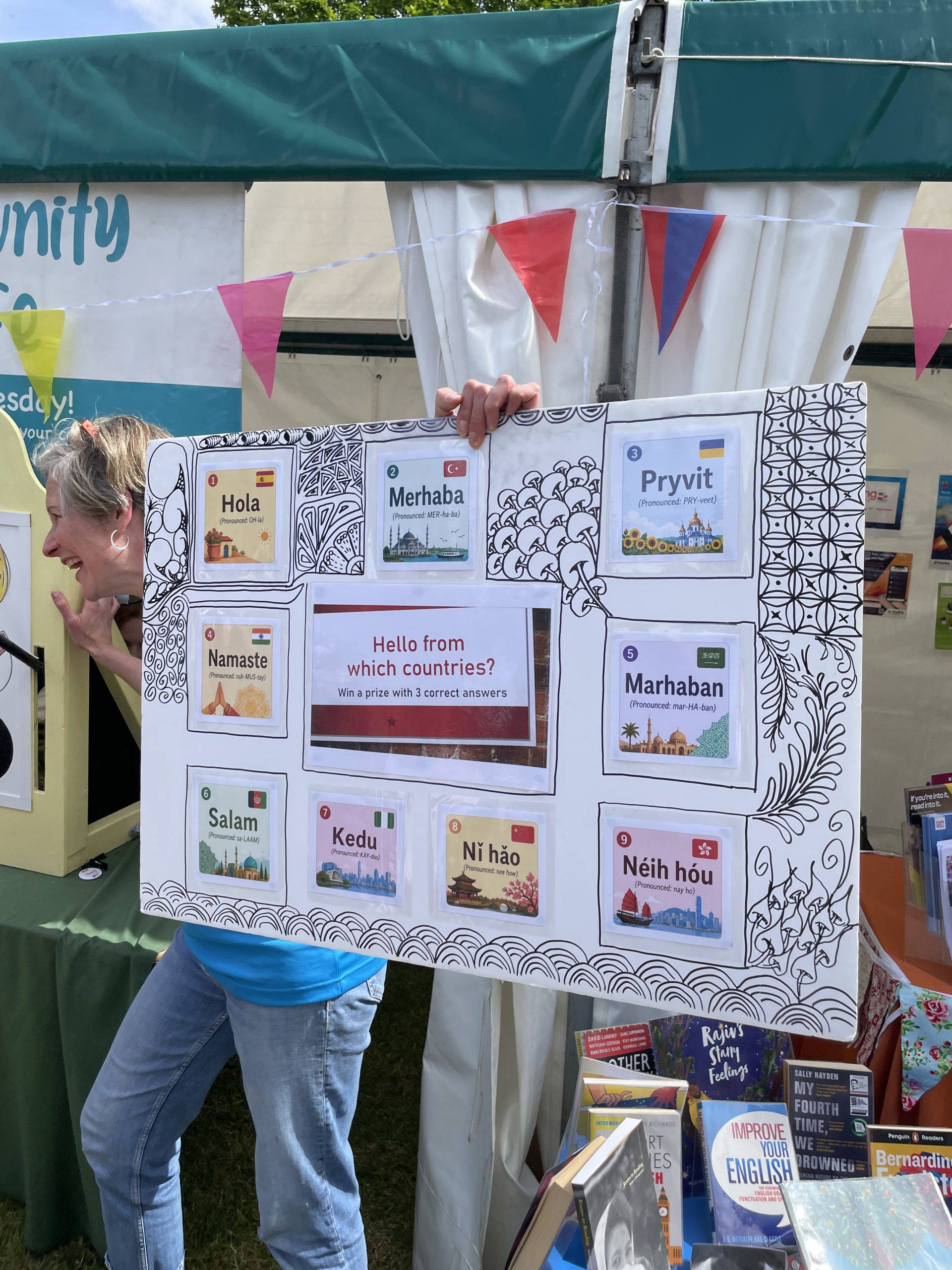
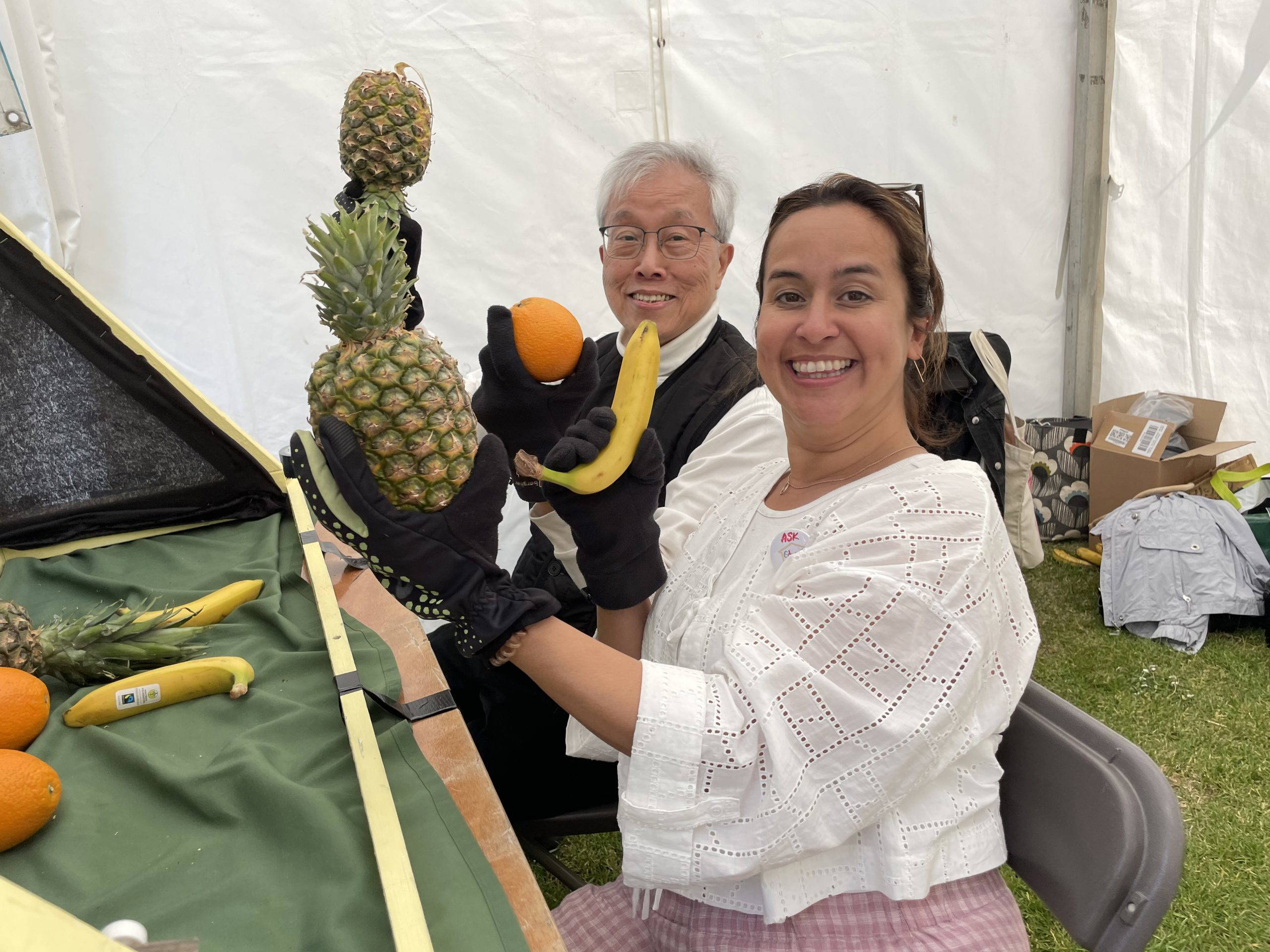
I also supported Educafe at the University of Reading’s Centenary Community Festival, helping run an interactive stand to engage with the public and promote the organisation’s work and impact.
Understanding public health in practice
Working with a grassroots organisation like Educafe has deepened my understanding of what public health looks like in practice. It has shown me that health is not only shaped by clinical services, but also by the environments in which people live, connect, and feel a sense of belonging.
Educafe demonstrates how community-led spaces can play a critical role in addressing health inequalities. Issues such as loneliness, language barriers, and limited access to services directly influence people’s wellbeing and ability to engage with their community.
This experience has also highlighted the importance of a whole-systems approach, where grassroots organisations, local authorities, and public health systems work collaboratively to develop solutions grounded in community needs.
At the same time, it has brought attention to the challenges these organisations face—particularly around funding and sustainability. Many rely on volunteers, donations, and short-term funding streams, despite playing a vital role in supporting population health.
Key reflection
One of my biggest takeaways is that informal support networks can be just as important as formal healthcare interventions. Educafe has shown me how everyday conversations and peer support can meaningfully improve confidence and wellbeing.
Addressing health inequalities requires meeting people where they are—both physically and socially. Accessible, welcoming community spaces can have a profound impact in reducing isolation, supporting mental wellbeing, and connecting individuals to wider opportunities and services.
