
Educafe began as a small, hopeful response to a big problem.
In July 2021, Educafe launched as a Community Interest Company (CIC) in West Berkshire, with a simple aim: to tackle the loneliness and social disconnection that followed the COVID-19 pandemic. Commissioned initially by West Berkshire Council, it was intended to be a modest weekly drop-in café for just 20–30 people.
Five years on, that small idea has grown into something far more powerful.
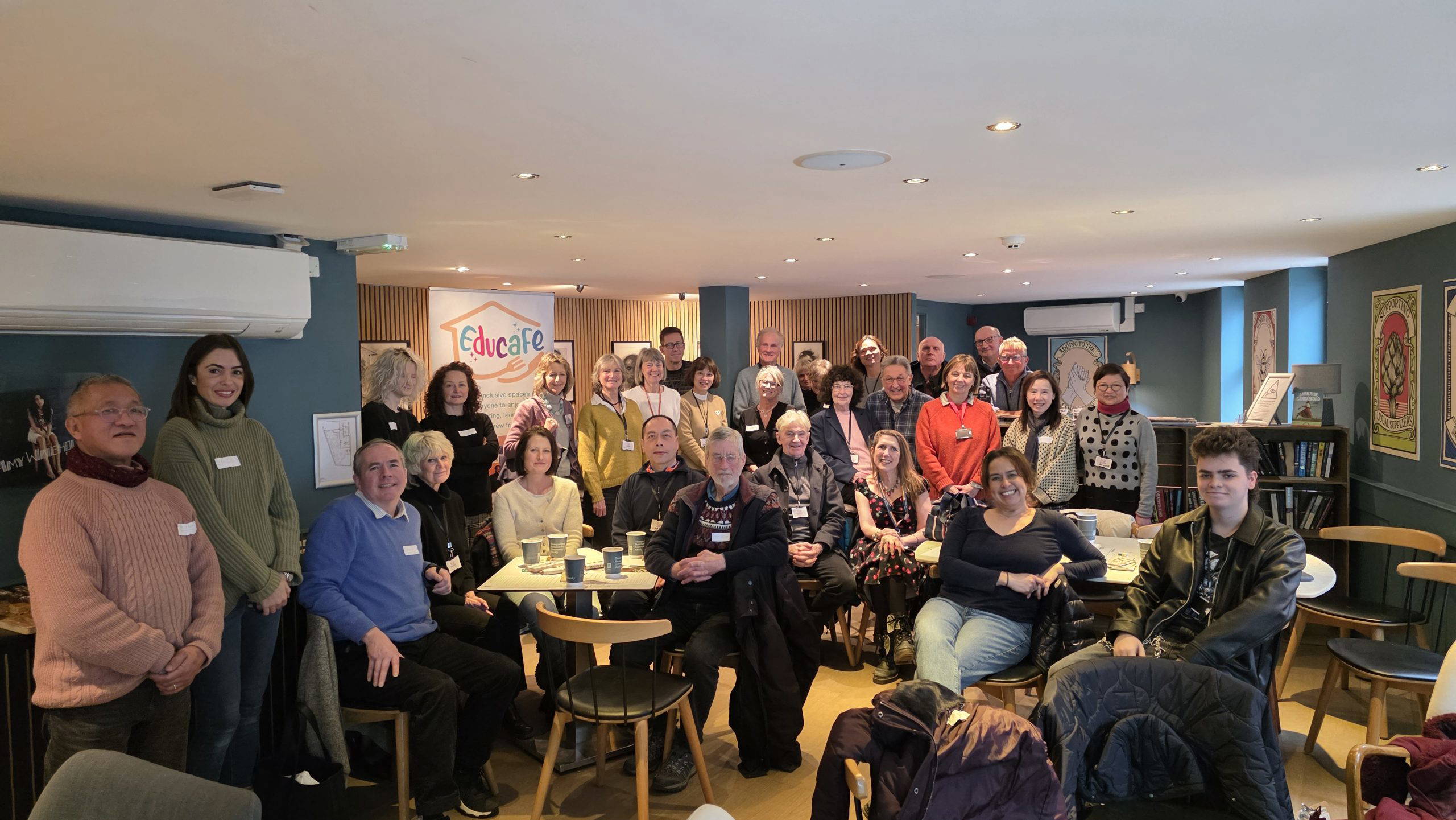
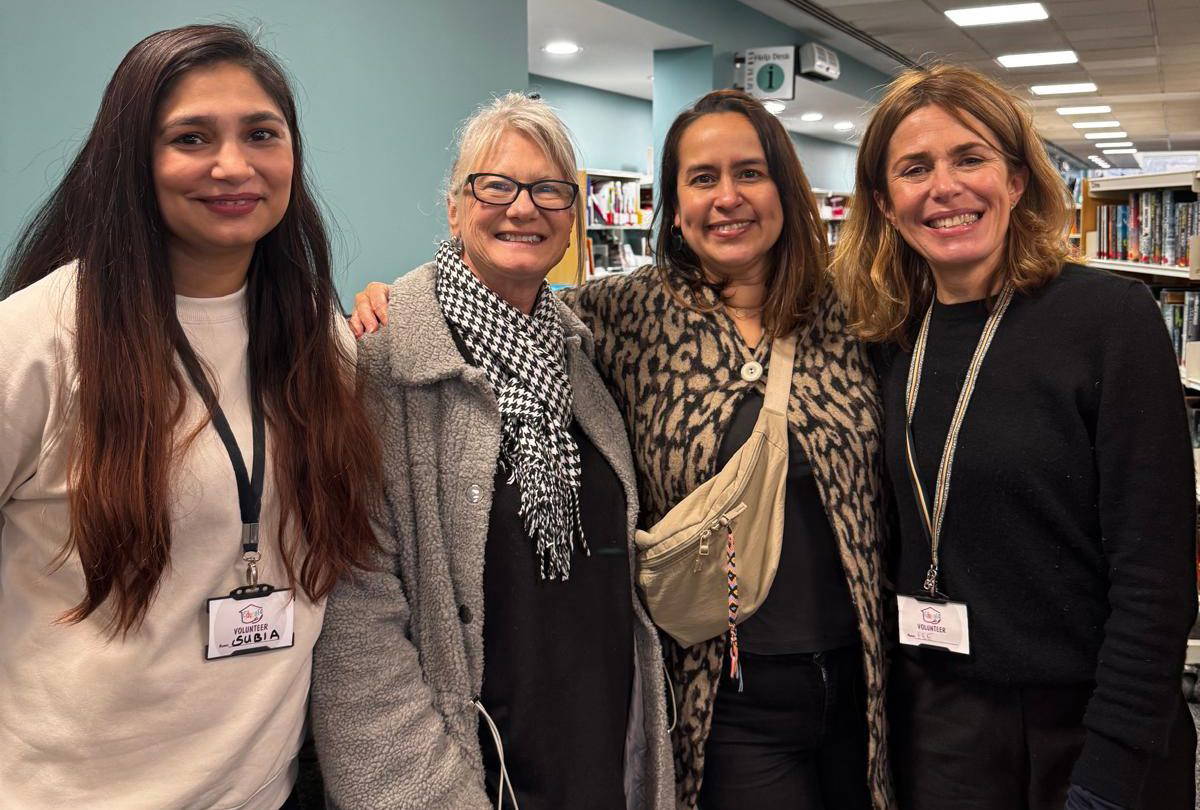
Today, Educafe is a thriving, inclusive community hub in Newbury, supporting over 150 people each week. Through language learning, family support, mental wellbeing sessions, and community-building activities, it has become a space where people connect, feel safe, and belong.
But what truly defines Educafe is not just what it does — it’s how it does it.
A Case Study in Relational Leadership
Educafe’s story is now reaching far beyond West Berkshire.
The Open University has developed a case study on Educafe’s relational leadership approach as part of a second-year undergraduate leadership module. This means that each year, up to about 500 students will engage with Educafe’s journey, exploring how leadership can emerge from community connection rather than hierarchy.
Even more significantly, the case study has been designed to remain part of the curriculum for the next 8 to 10 years.
This means that thousands of future leaders will learn from Educafe – studying how a grassroots organisation has built trust, navigated challenge, and created meaningful change through relationships.
Leadership that grows from the ground up
Educafe stands as a powerful example of community-led, relational leadership. Rather than relying on traditional top-down structures, its leadership approach has developed organically through:
- Working with the community rather than for it
- Listening deeply to local needs
- Building partnerships across sectors
- Creating inclusive, welcoming spaces
Over the past five years, this grassroots approach has helped cultivate something essential: connection, trust, and resilience.
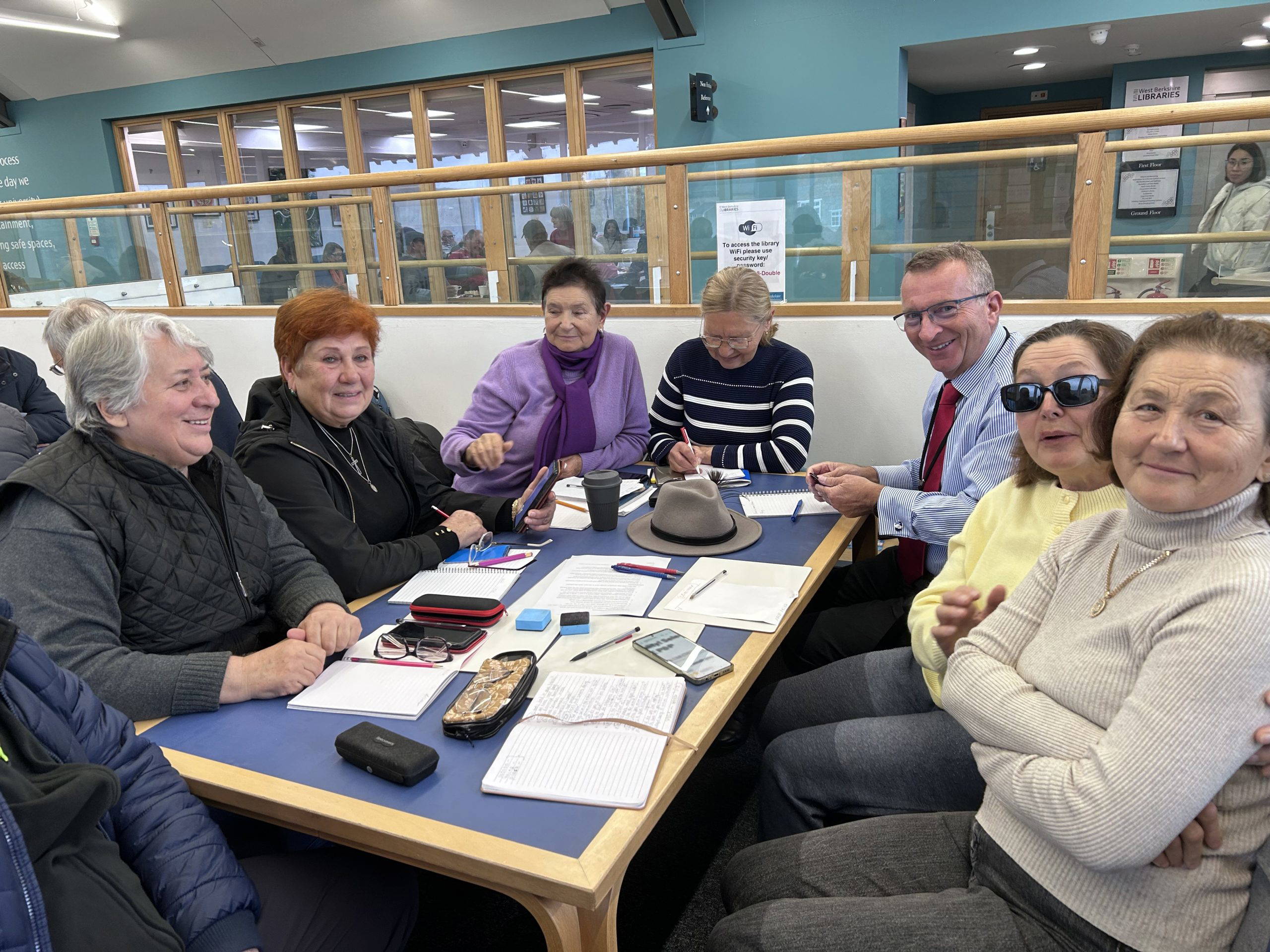
These are not quick wins. They are built slowly, through everyday interactions — conversations over coffee, shared experiences, and consistent presence in the community.
Educafe’s growth shows that leadership is not about control or authority. It’s about relationships and the ability to bring people together around shared purpose.
Navigating challenge with community at the core
Like many community organisations, Educafe faces ongoing challenges — particularly around financial sustainability.
BBC articles have previously highlighted the uncertain future facing the community hub, underscoring the pressures experienced by grassroots organisations delivering essential social value.
👉 Read the BBC article: “Community hub faces uncertain future”
👉 Read our blog: “Together, Not for Free: Why Real Collaboration Means Shared Support“
Despite these challenges and thanks to The National Lottery Reaching Communities award, Educafe continues to advocate for a different way of working – one where collaboration is rooted in mutual respect, shared responsibility, and long-term investment in relationships.
Its leadership is not defined by scarcity, but by commitment to community.
Learning through real voices
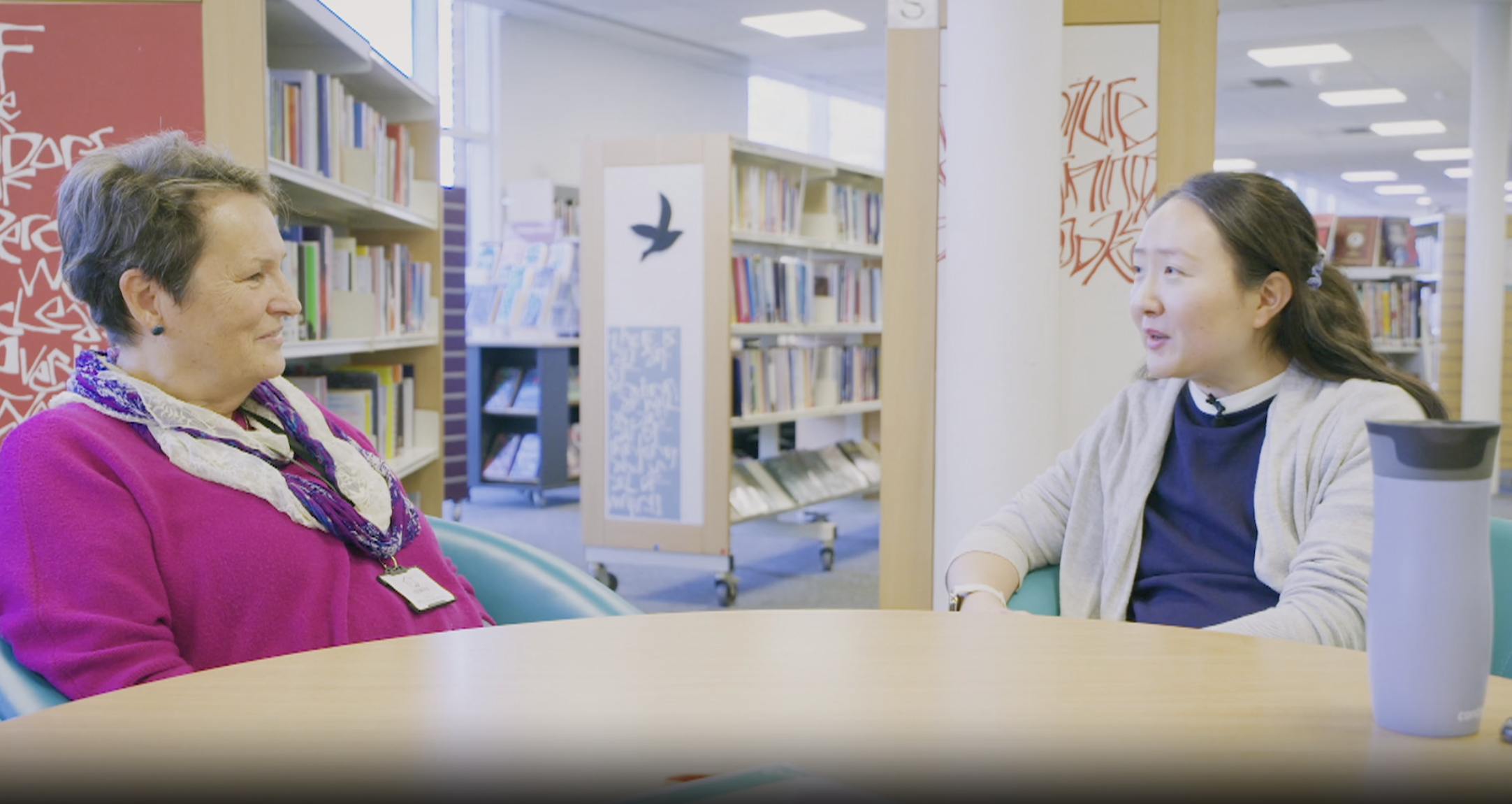
As part of the Open University case study, students will also engage with a first-hand interview with Educafe’s Director, Janine Ford.
The interview explores vital leadership questions, including:
- What social change Educafe is trying to create
- The challenges faced by Educafe and how they are navigated
- The role of relationships in daily practice
- What leadership means in a community context
- How differences are bridged and trust is built
Through these insights, students will see leadership not as theory, but as lived experience — shaped by real decisions, real tensions, and real relationships.
Why relational leadership matters now
The inclusion of Educafe in an academic leadership module reflects a broader shift in how leadership is understood. Specifically, the module will explore:
- How is leadership practised in everyday interactions?
- What challenges arise when leading through relationships rather than authority?
- How can organisations sustain change through collaboration?
- Why might relational leadership be particularly suited to diverse community contexts?
The case study reinforces a key message: Leadership is not just about being “in charge” — it’s about how we connect, collaborate, and create change together.
A model for the future
Educafe’s journey demonstrates that lasting change comes from strong relationships.
By prioritising connection, trust, and shared purpose, it has built a resilient and responsive community model – one that continues to adapt and grow despite uncertainty.
As thousands of students study this approach over the coming years, Educafe’s impact will extend far beyond Newbury, influencing how the next generation of leaders think about community, collaboration, and change.
Reflect and explore
As part of this case study, students are invited to reflect on key questions about leadership in practice – exploring how relational approaches shape outcomes, navigate challenges, and sustain impact.
This learning highlights something we see every day at Educafe.
Leadership happens in relationships.
It happens in conversations, in trust-building, in bridging differences — and in the collective effort to create something better, together.
